

• SSDI Application Lawyer •
SSDI Support for Injured Workers Who Can’t Return to Work
When a Work Injury Changes Your Ability to Work
After an injury, it’s common to assume SSDI will automatically apply—but the rules can be more complex than expected. Many injured workers are told they can’t return to their old job, yet still face questions about whether they can do other work. SSA evaluates disability using a structured process that looks at your medical condition, work history, and functional limitations. Crysti D. Farra helps injured workers understand how these rules apply and how to build a claim that reflects what you’re actually dealing with day to day.
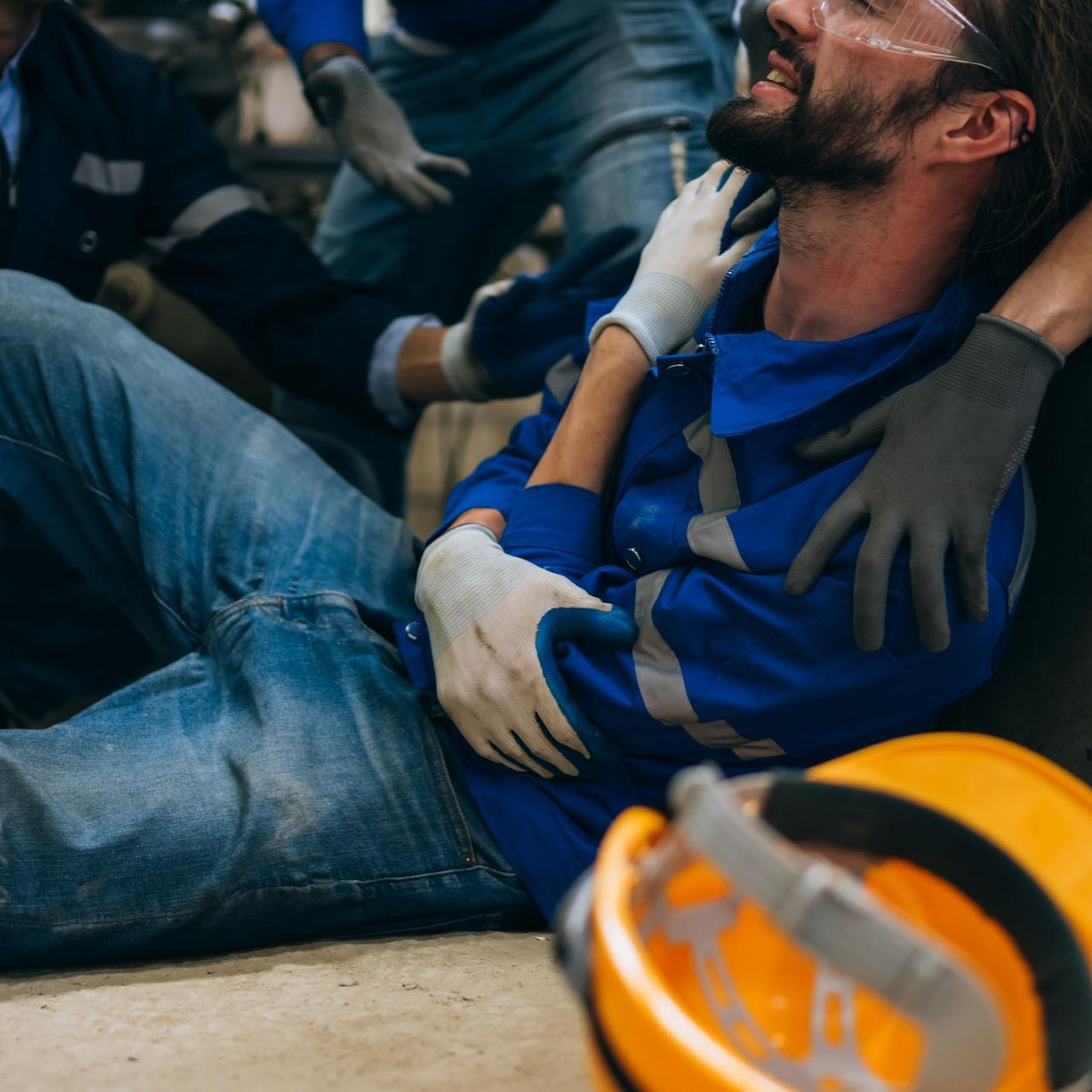
Real Concerns Injured Workers Face With SSDI
It’s normal to have questions about whether your situation qualifies and how SSA will evaluate your claim. These concerns come up often—and they’re solvable with the right approach.
SSA looks beyond your past work and evaluates whether you can adjust to other work. Your case needs to clearly show why your limitations prevent that.
“Can I still qualify if I can’t do my old job?”
Conditions like degenerative disc disease or musculoskeletal injuries aren’t always visible. Your claim must translate symptoms into clear functional limitations.
“Will SSA understand my chronic pain?”
SSDI is based on work credits earned through past employment. Understanding how your work history applies is a key first step.
“Do I have enough work history for SSDI?”
Medical documentation must reflect your real limitations. Your case is built to present consistent, complete information.
“What if my records don’t tell the full story?”
What SSA Looks At in Injured Worker Cases
Severity of Your Condition
Your injury must significantly limit your ability to perform basic work activities.
Work History and Credits
SSDI eligibility depends on your past work and contributions to Social Security. Your claim must clearly show your employment background.
Duration of Disability
Your condition must be expected to last at least 12 months or result in long-term limitations.
Ability to Do Other Work
SSA evaluates whether you can adjust to other types of work—not just your previous job.
Evidence That Strengthens Your SSDI Claim
- Consistent Medical Treatment
Regular care helps document your condition over time and supports your claim. - Clear Functional Limitations
Your records should explain how your injury affects your ability to sit, stand, lift, and concentrate. - Detailed Work History
Accurate job descriptions and duties help SSA understand what your past work required. - Aligned Documentation
Medical records, forms, and testimony should all tell the same story.
How We Support Injured Workers Through SSDI
SSDI Application Guidance
If you’re starting your claim, your application is built with the right structure and supporting evidence.
SSDI Appeals Support
If your claim was denied, you get a plan to strengthen your case and move forward.
Hearing Preparation
If your case reaches a hearing, you receive preparation that helps you present your situation clearly.
Let’s Make This Process Easier to Navigate
Many injured workers reach this point feeling unsure whether SSDI applies to them or how to start. The next step is working with someone who understands how to connect your injury, your work history, and SSA’s requirements into a clear plan.
What to Expect When You Get Started
When you begin, your situation is reviewed in the context of SSA rules and your work history. Your medical records and documentation are organized to support your claim. Communication stays consistent so you understand each step and what may be needed next. This approach helps reduce confusion and keeps your case moving forward.
• Frequently Asked Questions •
Common Questions About SSDI for Injured Workers
Can an injured worker get SSDI?
Yes, if your condition meets SSA’s definition of disability and you have sufficient work history and credits.
Does a work injury qualify for SSDI?
It can, if the injury prevents you from working and meets duration and severity requirements under SSA rules.
What if I can’t return to my previous job?
SSA will also evaluate whether you can adjust to other work, which is why documenting your full limitations is important.
What conditions qualify under SSDI for injured workers?
Many conditions, including musculoskeletal and degenerative conditions, may qualify if they meet SSA criteria.
Do I need medical records to apply?
Yes. Medical evidence is a key part of your claim and should clearly reflect your condition and limitations.
• contact us today •
Take the Next Step With a Clear SSDI Plan
If your injury has changed your ability to work, understanding your options can make the process feel more manageable. Crysti D. Farra helps injured workers across
Long Island and nationwide build claims that reflect their real limitations and move forward with clarity.